The Ecological Cost of Style: Strategic Shifts in Modern Fashion
— by
Steven Haynes
{
“title”: “The Ecological Cost of Style: Strategic Shifts in Modern Fashion”,
“meta_description”: “Fashion is fundamentally altering natural systems. Learn how leaders and operations experts are re-engineering the supply chain to prioritize sustainability.”,
“tags”: [“sustainable fashion”, “supply chain strategy”, “operational excellence”, “environmental impact”, “circular economy”, “corporate responsibility”],
“categories”: [“Business”, “Culture, Indie and Trends”],
“body”: “
The True Cost of Fast Fashion
The global garment industry operates on an assumption of infinite resource availability, yet the physical reality tells a different story. Textile production now accounts for significant water depletion, microplastic contamination, and chemical runoff that permanently alters local ecosystems. For leaders, this is not merely an environmental concern; it is a profound risk to strategic stability. When the raw materials of an entire industry are degraded by the industry itself, the model becomes inherently self-defeating.
Rewriting the Supply Chain
Modern fashion houses are beginning to treat supply chains not as linear pipelines but as complex, closed-loop ecosystems. This requires a shift in operational excellence, moving from volume-based targets to value-based longevity. High-performance organizations are currently deploying precision analytics to match production with demand, effectively curbing the waste that historically defined the sector. By integrating predictive AI systems, brands can now forecast trends with higher accuracy, reducing the massive overstock that feeds landfill crises.
The Role of Material Science
Nature is no longer just a source of raw fiber; it is a design partner. Biotech firms are pioneering lab-grown textiles that bypass traditional agriculture entirely. This move is a textbook case of innovation in systems thinking. By shifting from extractive resource reliance to synthetic biology, fashion companies are securing their supply chains against the volatility of climate-stressed commodity markets.
Leadership in an Era of Transparency
Decision-makers must reconcile the conflict between quarterly growth and long-term ecological health. This is the new frontier of leadership. Investors are increasingly looking at ESG metrics as a proxy for management quality. An organization that ignores its impact on nature is essentially carrying hidden debt. Real-world execution now demands that sustainability become a core pillar of product architecture, rather than an afterthought relegated to a CSR report.
The Circular Economy as Operational Leverage
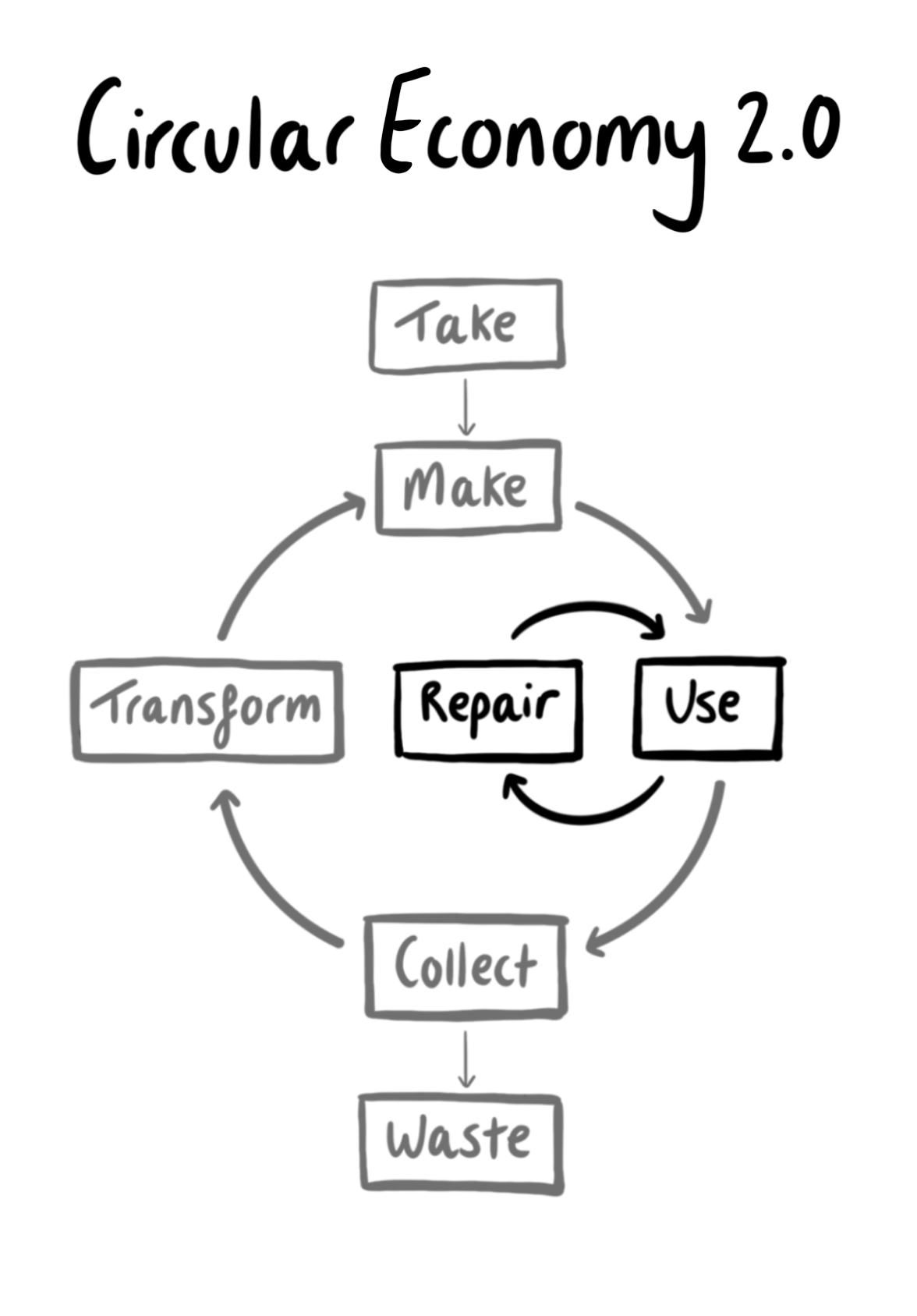
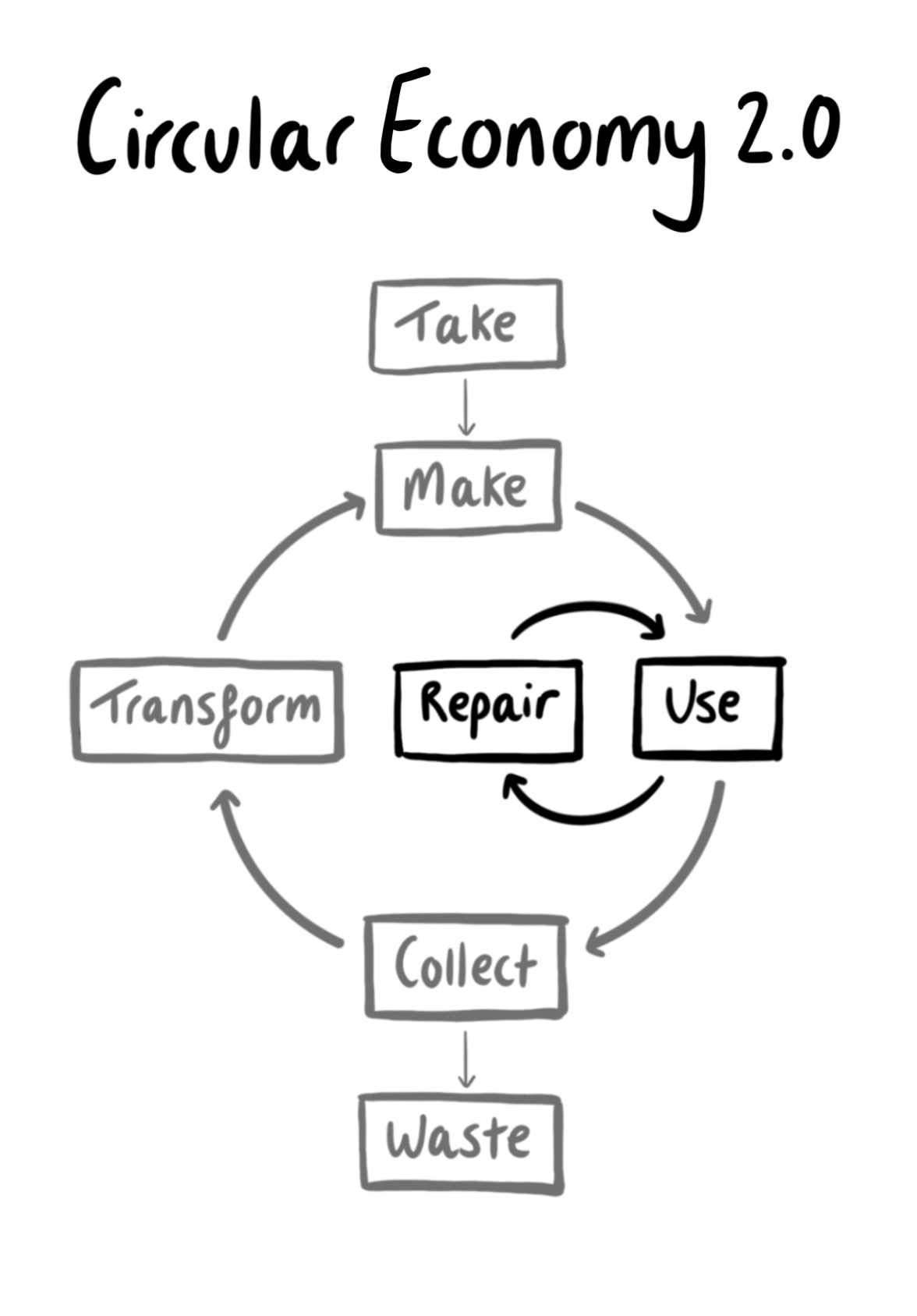
Operational leaders are identifying untapped potential in the post-consumer cycle. Resale markets, fiber-to-fiber recycling, and modular clothing design are turning waste into a secondary input stream. For those building at thebossmind.online, this represents the transition from a linear take-make-waste model to an circular asset recovery framework. It is not just about environmental morality; it is about mitigating raw material risk and capturing value at every stage of the product lifecycle.






Leave a Reply